Water Mitigation for Residential Water Damage
Water damage mitigation is the set of reasonable, prompt steps that keep a residential loss from getting larger: stop the water, extract what has already escaped, protect undamaged rooms, and start drying. Insurance policies often require policyholders to mitigate. This page explains what that duty usually looks like in a home, and how a referral to an independent contractor fits into it. We are not an insurer and we do not adjust claims.
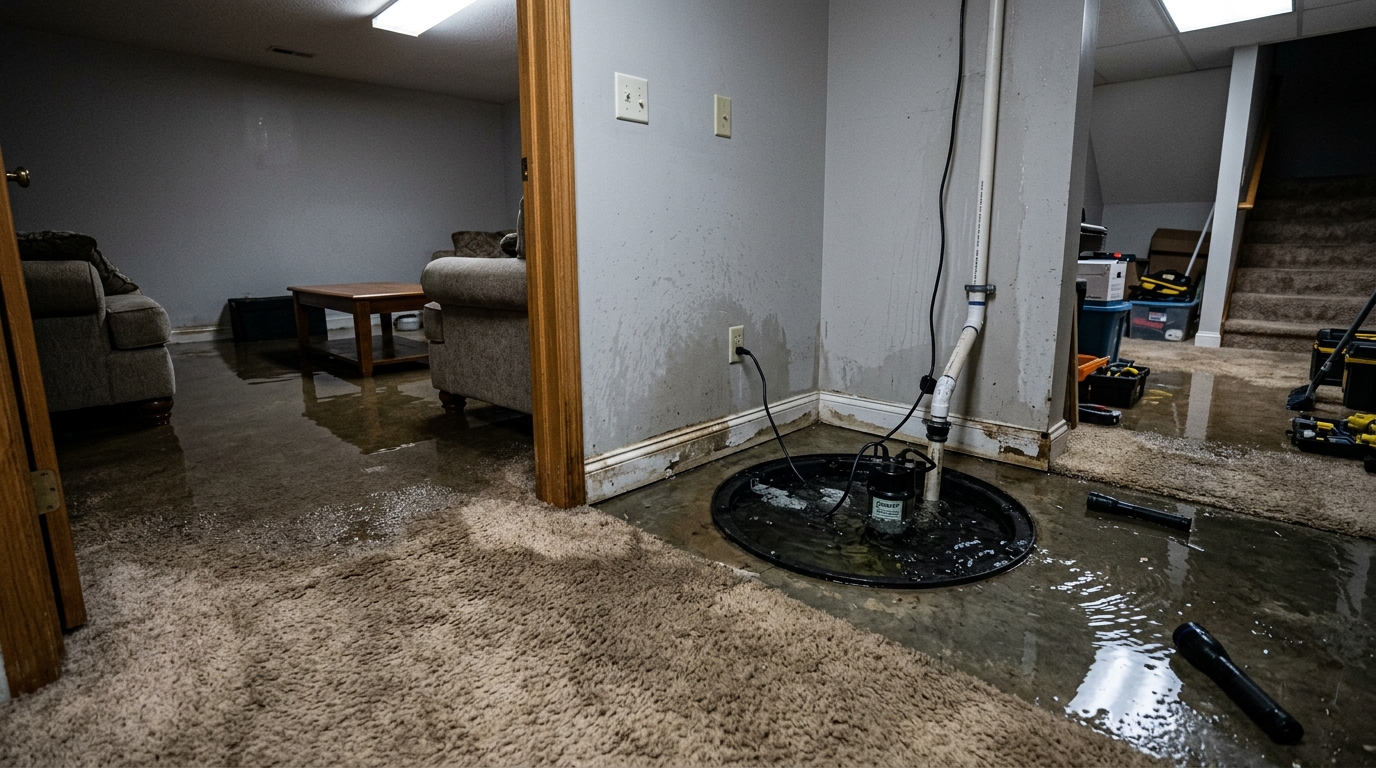
Mitigation is a duty and a technical process
In insurance language, mitigation means taking reasonable action to prevent further damage. In the field, that action is a specific sequence of controls, not a vague promise to 'fix everything today.'
If a pipe is still open, mitigation starts at the valve. If water is already in the finish floor, mitigation is extraction and protection of adjacent rooms. If the water is sewage, mitigation includes keeping people out and arranging a contractor who can work with Category 3 protocols. What is 'reasonable' depends on safety and on what a homeowner can actually do at 2 a.m.
Contractors document mitigation because insurers later ask whether further damage was avoidable. Moisture maps, photos, and a written first-day scope are part of mitigation, not optional extras. That paperwork also helps you if a later rebuild quote is questioned.
What homeowners can reasonably do themselves
Shutting a valve, moving a few dry items, and taking photographs are mitigation. Wading into sewage is not.
If you can reach the main water shutoff without walking through standing water, close it. If a single fixture is the source, closing the fixture stop or the main valve is enough. Photograph every room, including closets and the ceiling below a leak. Do not use a wet-dry vacuum on water that may be contaminated.
What belongs to a restoration contractor
Extraction of large volumes, wall-cavity work, sewage, and electrical hazards are contractor work.
Once water is in a wall, under a hardwood floor, or in a finished basement at any real depth, household tools are a poor match. Contractors bring extractors, meters, and drying equipment, and they decide whether materials can be dried in place. That judgment is the core of professional mitigation.
Mitigation is not the same as full restoration
Mitigation stops the bleeding. Restoration and rebuild put the home back together after materials are dry.
A mitigation invoice may include emergency service, extraction, equipment daily rates, and limited demolition to expose wet cavities. It usually does not include new cabinets, paint, or final floor installation. Mixing those scopes in one verbal quote makes insurance review harder. Ask for the mitigation scope to be written first.
Timing, category, and why delay changes the job
Mitigation is time-sensitive because water moves and because Category 1 water does not stay clean forever once it sits in a building.
Industry practice, reflected in IICRC S500, treats elapsed time and temperature as factors that can raise a water category. A clean supply-line break that sits in carpet and pad for two warm days is not the same job it was on the first evening. Mold growth on wet drywall can begin on a similar timeline. Mitigation that starts earlier often means less demolition later.
That is not a promise that any particular house will be mold-free after a set number of hours. Buildings, materials, and weather differ. It is a reason not to wait for a convenient weekday if water is still in the structure. Our intake line can check whether a participating residential contractor is available in your ZIP code. Availability is not guaranteed.
How mitigation is billed and reviewed
Mitigation line items are often estimated with insurance-industry pricing software. This network does not set those rates.
Independent contractors may price mitigation using unit costs for square footage of extraction, daily equipment, and demolition. Educational national ranges appear on our cost page. Your actual invoice is set on site. If you have coverage, ask whether the contractor will bill the insurer directly or will look to you for payment and reimbursement.
Keep a copy of every authorization you sign, especially emergency authorizations at the door. You can limit authorization to mitigation only, then review a rebuild estimate when the house is dry. That split is a practical way to meet your duty to mitigate without approving a full remodel on the first night.
Frequently Asked Questions
Educational answers about the duty to mitigate residential water damage, timing, and how mitigation differs from rebuild.
Many homeowners policies include a duty to protect the property from further damage. What is reasonable is fact-specific. This page is educational, not legal or claims advice. Read your policy and speak with your insurer about emergency steps.
It depends on the loss. A stopped drip into a bucket is different from a basement under two inches of water. Delay can increase demolition and can change the water category. Call your insurer and, if needed, a contractor as soon as you can do so safely.
Often you should do simple, safe steps yourself and document them. For larger or dirty-water losses, professional mitigation is the usual path. Save receipts. Do not discard damaged items until your insurer says you may, except where sewage makes storage unsafe.
Not always. If the cause is excluded (for example, some flood or long-term leakage situations), mitigation may also be unpaid. Cause-of-loss questions belong to your insurer and your policy. We do not make coverage decisions.